Rural areas are wise to pay attention to niche tourism markets that fit the types of experiences that are provided in their area. This can help cut costs in terms of product development and infrastructure, and it can also ensure more positive relations between visitors and residents.
In BC, one of the amenities in rural areas that are attractive to visiting markets are trails. Indeed, the
provincial trails strategy is even embedded in the
tourism strategy. The types of trails and trail users vary tremendously but they all share issues with access to trails. Some communities in BC have been targeting niche markets like mountain bikers, who are one segment of trail users and others are focusing on motorized groups like ATV'ers.
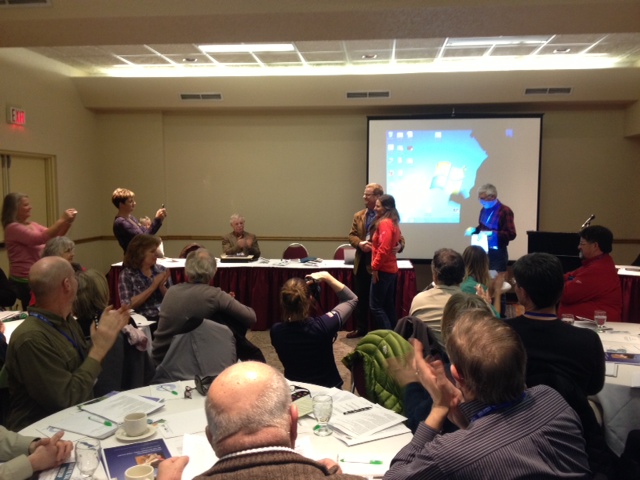
I have been involved in conducting the BC Equestrian Trail Users Study in 2012, which was just released last week at the "Share the Trails" conference hosted by
Horse Council BC in Kamloops. We embedded some questions in the study on how much equestrian trail users travel with their horses. Travel related expenditures were the second highest annual expenditure for equestrian trail users averaging $1765.08 annually per household. The trail users were asked to indicate to what extent they combined trail use with overnights giving an indication of equestrian tourism related to trails. In total, 45.9% of the sample indicated that they combine trail activity with overnights, staying on average 12 nights away each year.
In terms of accommodation used for overnights, respondents were asked to indicate the percent of time they spent at a variety of alternatives. For example, 41% of overnights are spent at campsites that allow horses, followed by 32% wilderness camping. Similarly, 32% of nights away are spent at ride sites for events, and 20% are spent at friends and family accommodations. Commercial options account for the remainder of nights away, where Bed, Bale and Breakfasts are the accommodation of choice 9% of the time and Guest Ranches the remaining 7.5% of nights.
Of interest as well, when asked about satisfaction with the existing trail system in BC, the highest dissatisfaction (50% and 49%) were with infrastructure to travel to trails (rest stops, signage, etc) and with infrastructure at trail heads (turnarounds, parking, manure pits, corrals etc).
What some of this indicates to me is that there is a demand for trail related tourism among the niche market of equestrian tourists. This group is a good fit for many rural areas with existing trail systems. But to enhance their experience, collaboration needs to occur to develop the type of infrastructure that can support travel and accommodations. Similarly, the study showed that while trails exist, there needs to be more effort to promote the systems and provide maps and information on how to access them.
For more information on this niche market - see the full report at:
BC Competitive Trail Riders' Association or
Horse Council BC.