During my recent leave from work (fall 09), I missed the opportunity to attend the Reversing the Tide: Strategies for Rural Revitalization" conference in Prince George. One of my first to do's getting back was to catch up on the reports from the conference - and I was pleased with the topics and materials that came forth. I would recommend taking a look at the Communities in transition site for more material in particular, I will comment on some of the insights in a paper by Mark Drabenstott titled:
"
Summary paper: Revitalizing rural BC: Some lessons from rural America"
In his paper, Mark raises numerous points that those involved in tourism development in rural BC should consider. The key point I wanted to highlight is one that I have been making in presentations and boardrooms for some time now - we need to move beyond community tourism thinking in BC to develop regional thinking. Mark makes the case better than I will in the paper, and provides strategies for this to take place, but I wanted to make some comments to reinforce some of his suggestions based on my experiences in the field.
First - Rural areas need to think regionally because visitors do. Simply put, visitors from key markets are usually not familiar with the small communities in our province. And, when they plan a trip, they are unlikely to travel to just one small community. More realistically, they will decide what region or route they will travel to experience a range of amenities that satisfy their travel needs. Depending on their form of travel, they will likely encounter many other communities on route.
In this scenario, our current form of tourism development (community based investments) may be causing some marketing fatigue and confusion. Additionally, the tradition of community rivals in rural areas often transcends hockey games. We make it a regular practice to stop along communities on route when we are travelling for research and asking residents what we can expect in the community we are going to. We write down verbatim the comments that are made and these inevitably are of interst to the study community because they indicate that communities are pitching themselves against one another in the tourism game instead of collaborating.
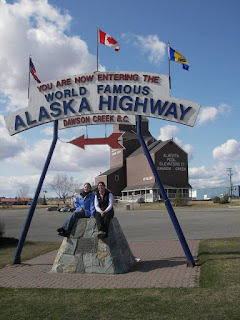
Mark makes the points about the need to collaborate very well in his paper. He suggests, and I agree once again, that these regions need to be self determined and not follow traditional jurisdicational boundaries if these are not appropriate. I see this in many areas of BC where unique tourism products exist and small groups are working together to leverage their ideas for the betterment of all (Gold Countries Community Society, Alaska HWY, Yellowpoint Cedar area...) but they often have to battle against jurisdictional lines that impede their success and require significant acumen in governance issues. So when I suggest more regional thinking, I am not necessarily suggesting that our current tourism regions take on the task of regional tourism development. For, as you can see by the map itself, these regional lines do not necessarily represent the type of unique competitiveness that Mark is recommending. In fact, for those interested in regional tourism development - it might be a good exercise to consider your regional map completely void of lines and work instead on what the competitive assets are that can be bundled together to create experiences (tourism products) that are unique to the market.
I was reminded many times throughout the article about the good work being done by all the leaders, operators and associations in the
Northeast of BC. They were part of a Regional roundtable in 2007-08 that illustrated many of Marks points. As the evaluator of this initiative, I had the opportunity to travel up north many times and observe the process that the group went through. Although the project met up with some operational issues in the end, I think it is fair to say that collectively the points about working together as a region were made. At one of the first meetings - Mayors and First Nations leaders from communities along the Alaska HWY (one of BC's unique products) got together in a room - perhaps for the first time. It took sometime for people to understand that they were expanding their scope of stewardship to extend beyond political domains. But using exercises like storytelling and the sharing of knowledge, the region made headway with regionalizing tourism. The project also exemplified the challenges that Mark cautions about - government agencies are not often supportive of the efforts to think regionally as it requires new alliances and support systems. Or his quote "it requires reaching across long established jurisdictional boundaries which have often been more like battle lines than invitations to collaboration" (p.11). Also, the entire effort is slower and more process oriented - it isn't about quick decisions about which capital projects to fund in a community - it requires a shift to think what the region needs to pursue opportunities that give them a competitive edge.
BC has used a dominant community based tourism development paradigm for a long time. Our funding programs have endorsed the idea that communities can direct their destiny by getting their tourism house in order. While this is important at one point in the continuum, I have long believed that we will not achieve our full potential until we think the way our markets do about our products and combine our limited assets to leverage our strengths.
So - next time you are working on community tourism initiatives, ask yourself how engaged your community is in defining what the regional visitor experience is like. It's time - let's add this language to our discussions and receive the same benefits Mark highlights for rural regions in the US.